Sub-Total: $0.00
Fire & Rescue Readiness: Insights & Advice
In the high-stakes world of fire and emergency response, readiness isn’t just a goal; it’s a constant state of being. It’s the critical factor that dictates outcomes, saves lives, and protects property when seconds truly count. For firefighters and emergency responders, the call to action can come at any moment, often when least expected, demanding immediate and effective intervention. This isn’t a profession where you can afford to be anything less than fully prepared. True readiness extends beyond just having the right equipment; it encompasses physical conditioning, mental fortitude, continuous learning, seamless teamwork, and even community engagement. It’s a holistic commitment to excellence, ensuring that when the alarm sounds, you and your team are poised to face any challenge head-on, delivering the best possible service under immense pressure.
The Foundation of Personal Readiness
At the heart of every effective response lies the individual responder, and their personal readiness is paramount. This involves two critical, interconnected elements: physical stamina and mental fortitude.
Physical Stamina & Mental Fortitude
The demands of fire and rescue work are incredibly taxing on the body. From hauling heavy equipment up flights of stairs to performing intricate extrications in confined spaces, physical fitness is non-negotiable. Regular cardiovascular exercise builds endurance, ensuring you can sustain efforts over prolonged periods. Strength training is essential for the heavy lifting and pushing often required, while flexibility helps prevent injuries and improve maneuverability in tight spots. Neglecting any aspect of physical conditioning can compromise not only your own safety but also the effectiveness of your team.
Equally vital is mental fortitude. Responders frequently witness traumatic events, make split-second decisions under immense pressure, and face unpredictable dangers. Developing mental resilience involves practices like stress management techniques, scenario-based training to sharpen decision-making, and proactive engagement in debriefing sessions. These practices help process difficult experiences, build coping mechanisms, and maintain a clear head when chaos surrounds you. It’s also important to prioritize personal well-being outside of work; adequate rest, nutrition, and healthy outlets are crucial for preventing burnout and sustaining readiness long-term. A healthy body and a sharp mind are your most important tools.
Mastering Your Tools: Equipment & Technology
Beyond personal readiness, the effective use and maintenance of your tools are fundamental. Modern fire and rescue operations rely heavily on a diverse array of equipment and increasingly sophisticated technology.
Beyond the Basics: Utilizing Your Gear
It’s not enough just to have the right gear; you must know it intimately. This begins with rigorous, regular inspection and meticulous maintenance of all Personal Protective Equipment (PPE) – from helmets and turnout gear to SCBA and specialized hazmat suits. Similarly, apparatus checks are critical, ensuring engines, ladders, and rescue vehicles are fully operational and stocked before every shift. Malfunctioning equipment can turn a dangerous situation into a catastrophic one.
Furthermore, staying current with new technologies is essential for modern response. Thermal imaging cameras provide invaluable situational awareness in smoky environments. Drones offer overhead perspectives for large-scale incidents or search and rescue. Advanced communication systems ensure seamless coordination across multiple agencies. Responders must not only be trained on how to use these tools but also understand their limitations and how to integrate them effectively into incident command. Adaptability to different equipment, especially during mutual aid responses where apparatus may vary, also enhances overall operational flexibility and safety. The more proficient you are with your tools, the safer and more effective your response will be.
The Cornerstone: Continuous Training & Education
In a field that is constantly evolving, continuous training and education are not merely recommended; they are absolutely essential. The learning never stops.
Learning Never Stops
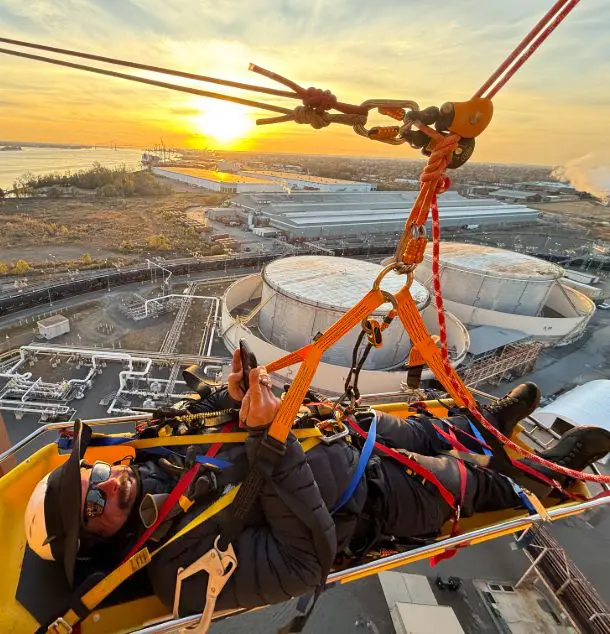
Foundational training, adhering to standards like those set by the NFPA (National Fire Protection Association) and local protocols, establishes the basic competencies. However, this is just the beginning. Specialization is increasingly important. Technical rescue training covers everything from rope rescue and confined space operations to vehicle extrication and structural collapse. Hazardous materials (HazMat) training equips responders to safely manage chemical, biological, radiological, nuclear, and explosive incidents. Swift water rescue and wilderness search capabilities address specific environmental challenges. Each specialization requires dedicated, hands-on instruction to build proficiency and confidence.
Drills and simulations are perhaps the most vital component of ongoing training. These exercises replicate realistic scenarios, allowing teams to practice procedures, refine communication, and identify areas for improvement in a controlled environment. Crucially, every drill should be followed by a thorough after-action review (AAR). This debriefing process analyzes what went well, what could be improved, and how to implement those improvements in future responses. Cross-training with other agencies, such as EMS, law enforcement, and public works, builds critical interagency communication and understanding, preparing for seamless unified command during major incidents. Staying updated on evolving hazards—like new building materials, emerging chemicals, or climate-related environmental changes—and corresponding best practices and techniques is also paramount. A commitment to lifelong learning ensures that knowledge and skills remain sharp and relevant.
The Human Element: Teamwork & Communication
No matter how skilled an individual responder is, the success of a fire or rescue operation ultimately hinges on the strength of the team and the clarity of its communication.
Synchronized Efforts, Safer Outcomes
On the fireground, clear, concise communication is the lifeline that connects every team member. Commands must be understood without ambiguity, updates must be timely, and critical information must flow freely up and down the chain of command. Miscommunication can lead to dangerous errors, injuries, or worse. Practice in using radios effectively, understanding common terminology, and actively listening are all crucial.
Beyond formal communication, the trust and camaraderie within a team are invaluable. Knowing that your partners have your back, understanding their strengths and weaknesses, and being able to anticipate their actions creates a cohesive unit that operates as more than the sum of its parts. Leadership roles must be clear, but effective followership is equally important, ensuring that directives are executed efficiently. Pre-incident briefings set the stage, outlining objectives and potential hazards, while post-incident debriefings allow for a collective review, fostering continuous improvement and addressing the emotional toll of critical events. A well-oiled team with open lines of communication is the ultimate force multiplier in any emergency.
Community Preparedness: Extending Readiness
True readiness for fire and rescue extends beyond the department’s doors and into the community it serves. Engaging with the public is a vital component of a holistic safety strategy.
Engaging Our Communities
Fire departments play a crucial role in public education initiatives. This includes promoting fire prevention strategies, educating residents about the importance of working smoke alarms, and helping families develop and practice home escape plans. By fostering a culture of safety within the community, responders can help prevent emergencies before they even occur, reducing risks and saving lives. Understanding local hazards, whether they be industrial risks, wildland-urban interface challenges, or natural disaster vulnerabilities, allows departments to tailor their preparedness plans. Building strong relationships with community leaders, local businesses, and other stakeholders also facilitates better coordination during large-scale events and enhances overall community resilience. An informed and prepared community is a safer community, and it significantly supports the efforts of its emergency responders.
Conclusion
Readiness in fire and rescue is a multifaceted, ongoing commitment. It demands dedication to personal health, mastery of tools and technology, a relentless pursuit of knowledge through continuous training, and the cultivation of strong team dynamics. Moreover, it involves reaching out to and empowering the very communities responders serve. This continuous cycle of preparation and improvement is what defines true readiness. It’s an investment in skill, knowledge, and collaboration that ultimately protects lives—not just those of the public you’re sworn to protect, but also your own and those of your invaluable team members. To learn more about how professional training can elevate your readiness, explore dedicated fire rescue and emergency response training programs. Your preparedness is their protection.